South Tottenham cleaning guide Broadwater Farm flats
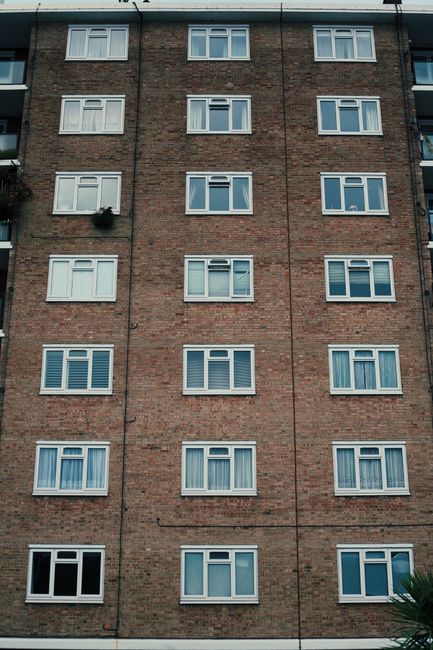
If you live in, manage, or are moving through Broadwater Farm flats, a proper South Tottenham cleaning guide can save you time, stress, and a fair bit of back-and-forth. Flats in busy blocks gather dirt differently from houses: lift lobbies pick up grit, shared entrances trap damp, and day-to-day living means carpets, sofas, rugs, and mattresses all take more wear than you expect. Truth be told, once a flat starts holding odours or traffic marks, it rarely sorts itself out with a quick vacuum and a scented spray.
This guide breaks down what matters, how flat cleaning works in practice, what to prioritise first, and how to avoid the mistakes that make cleaning harder later. It is written for residents, landlords, letting agents, and anyone who wants a cleaner, fresher home in South Tottenham without wasting time on guesswork.
Why South Tottenham cleaning guide Broadwater Farm flats Matters
Broadwater Farm flats have the usual mix of everyday household mess and shared-building challenges. Shoes bring in outdoor dirt, hallways can hold onto moisture, and flats with pets, children, or heavy foot traffic can develop stubborn marks faster than people realise. A good cleaning plan matters because it protects surfaces, improves comfort, and makes the whole place feel calmer. That sounds simple, but anyone who has scrubbed a set-in spill on a lounge carpet knows it is not always simple at all.
There is also the practical side. In flats, noise, access, drying time, and limited storage all affect how cleaning should be done. A method that works in a detached house may be a poor fit when you are dealing with a compact living room, shared access, or narrow corridors. So the aim here is not just "clean more". It is clean better, with less disruption and fewer repeat problems.
For many residents, the main pressure points are carpets, upholstery, and odours. These are the areas where a room can look tidy but still feel tired. If that sounds familiar, services such as professional carpet cleaning and upholstery cleaning are often the difference between a quick surface tidy and a genuinely refreshed flat.
Expert summary: In flats, the best cleaning approach is usually the one that reduces moisture, respects shared spaces, tackles high-wear fabrics first, and keeps drying times realistic. Small rooms punish poor technique quickly.
How South Tottenham cleaning guide Broadwater Farm flats Works
A sensible flat-cleaning plan starts with a room-by-room assessment. You look for the things that actually affect daily life: visible dirt, lingering smells, greasy buildup in kitchens, bathroom residue, pet hair, and fabric contamination in carpets or sofas. Then you decide what can be handled with routine cleaning and what needs deeper treatment.
In practice, a deep clean usually follows a simple order: dry debris first, treat stains second, clean fabrics and surfaces third, and finish with drying and ventilation. That order matters. If you rush straight to wet cleaning without removing loose grit, you can grind dirt deeper into carpet fibres. Not ideal. It is a bit like trying to wash muddy trainers without knocking off the mud first.
For Broadwater Farm flats, access and timing are especially important. If you are using hot water extraction or steam carpet cleaning, you need enough ventilation and enough time for drying. If windows are limited or the weather is damp, your plan should account for that. This is where a service like steam carpet cleaning can be effective, but only if the drying setup is sensible. There is no magic wand here, only good sequencing and patience.
Many flats also benefit from targeted cleaning rather than treating everything the same way. For example, a hallway runner may need a different touch from a wool rug, and a dining chair can need different care from a synthetic sofa. If you want a more tailored approach, rug cleaning, sofa cleaning, and mattress cleaning each solve different problems.
Key Benefits and Practical Advantages
Good flat cleaning is not just about looking nice for a day or two. It has knock-on benefits that you feel as soon as you walk in the door. The air smells cleaner. Surfaces feel less sticky. Floors stop looking dull in the afternoon light. And if you are sharing a flat, everyone tends to notice that the whole space feels less tense. Funny how that happens, but it does.
- Better indoor comfort: Fewer odours, less dust build-up, and fresher fabrics make a flat feel much more liveable.
- Longer surface life: Regular deep cleaning can reduce wear on carpets, upholstery, and rugs.
- Cleaner shared spaces: Hallways, entry mats, and communal-feeling areas stay more presentable.
- Improved presentation: Useful for inspections, tenancy changes, viewings, or family visits.
- Less repeat effort: Proper treatment often means stains and smells are less likely to come back.
There is also a financial angle. Replacing a carpet because it has been neglected is far more painful than maintaining it properly. The same applies to a sofa cushion that has absorbed cooking smells for months. Small decisions now can avoid a bigger bill later. That is usually the bit people regret not doing sooner.
If you are comparing approaches or thinking about what is worth paying for, the service information on pricing and quotes can help you frame the job properly. It is often easier to budget once you know whether you need a single-room refresh or a full-flat deep clean.
Who This Is For and When It Makes Sense
This guide is useful for residents who want a practical way to keep a flat under control, but it also matters for landlords, agents, housing managers, and people preparing for a move. In Broadwater Farm flats especially, shared access and frequent use can make cleaning feel never-ending. A structured approach helps cut through that.
You probably need a deeper clean if any of these sound familiar:
- the flat smells musty even after you have aired it out
- carpets look clean at a glance but feel flat or gritty underfoot
- spills keep reappearing as pale or dark shadows
- the sofa holds pet hair, food crumbs, or lingering smells
- there has been a tenancy change, inspection, or end-of-lease tidy-up
- you have just had building works, redecorating, or a busy family period
Sometimes the right answer is a basic domestic clean. Sometimes it is a specialist treatment for a single problem area. If you are dealing with odours from pets or repeated accidents, pet stain odour removal can be far more useful than trying to overpower the smell with air freshener. Smell has a way of laughing at temporary fixes, let's face it.
For landlords and agents, presentation matters. Clean flooring and upholstery help create a better first impression, and the flat feels cared for. That does not mean every property needs the same level of work. It means matching the method to the actual condition.
Step-by-Step Guidance
Here is a practical sequence you can follow for a Broadwater Farm flat. It works whether you are cleaning yourself or deciding what to hand over to a professional.
- Walk the flat first. Check carpets, corners, skirting, upholstery, mattresses, curtains, and high-touch surfaces. Make notes of stains, odours, and the dirtiest zones.
- Declutter the space. Move light items, clear the floor, and remove anything that might get in the way. You will clean better with room to work. Obvious, yes, but surprisingly often skipped.
- Dry vacuum thoroughly. Focus on edges, under furniture, and traffic paths. In flats, grit tends to collect in the same routes again and again.
- Spot treat stains early. Use the right method for the stain type. Food, drink, grease, mud, and pet accidents all behave differently, so do not treat them as one big category.
- Deep clean fabrics. Carpets and upholstery often need separate care. Depending on the fabric, you may choose hot water extraction, low-moisture cleaning, or a more delicate method.
- Clean hard surfaces. Kitchens, bathrooms, doors, handles, and skirting boards collect more grime than people think. The details make the flat feel properly finished.
- Ventilate and dry. Open windows if possible, use airflow sensibly, and avoid putting furniture back too early. Damp fabric traps odour.
- Inspect the result. Check for tide marks, missed edges, and patches that need a second pass.
For stubborn marks, a dedicated stain removal approach is usually safer than scrubbing harder. Brute force tends to spread the problem or damage the pile, which is not what anyone wants. A tidy-looking carpet with a rough patch is still a rough patch.
If you are dealing with very specific fabrics, it can help to break the flat down into zones: carpeted living areas, soft furnishings, and sleeping spaces. That way you do not over-clean one area while missing the one that really needs attention. A bit of planning goes a long way.
Expert Tips for Better Results
Small decisions make a big difference in flats. Here are the habits that consistently help:
- Test first on hidden fabric. Even safe-looking cleaners can behave oddly on old dye, delicate fibres, or mixed materials.
- Work from clean to dirty. That keeps you from dragging grime across finished areas.
- Avoid overwetting. Too much moisture can leave smells behind, extend drying time, and bring dirt back up as wicking.
- Use the right extraction pressure. Aggressive cleaning is not better cleaning. Sometimes it is just aggressive.
- Prioritise traffic lanes. Hallways and sofa fronts often show wear long before the rest of the flat.
- Protect fresh work. Place mats at entrances and keep shoes off key carpeted areas where possible.
One practical habit I always like is cleaning in daylight where you can. Evening light hides a lot, especially in a flat with mixed artificial lighting. Around 9am or early afternoon, you will spot dull patches and shadowing much more clearly. It sounds minor, but it saves missed spots.
If your main issue is a tired lounge or a fabric-heavy room, a full upholstery cleaning session can refresh the space more than a dozen small sprays and wipes. Sofas hold onto body oils, dust, and everyday crumbs in a way that is, frankly, a bit stubborn.
Common Mistakes to Avoid
Most cleaning problems in flats come from rushing or using the wrong product for the job. Here are the mistakes that cause the most trouble:
- Using too much water on carpets or sofas. It delays drying and can leave a stale smell.
- Scrubbing stains aggressively. That can spread the mark or damage fibres.
- Ignoring hidden dirt. Edges, under beds, and behind sofas are where the flat often looks worse than expected.
- Mixing products. This is rarely wise. If you are not sure, stop and test one approach at a time.
- Rearranging furniture too early. Wet fabric and soft flooring need time.
- Cleaning only what is visible. A flat can look decent in the middle and still be carrying grime at the edges.
One more thing: do not assume that every smell means the same solution. Damp, pet odour, smoke residue, and cooking smells are different beasts. Treat them differently. If a room still smells off after standard cleaning, that is often a sign you need a targeted method rather than more perfume in the air.
Tools, Resources and Recommendations
You do not need a giant toolkit to keep a Broadwater Farm flat clean, but the right tools help more than people think. A decent vacuum with edge tools, microfibre cloths, a soft brush, stain-safe spot treatments, and a reliable drying method are the basics. For deeper work, specialist equipment can make a very noticeable difference.
| Cleaning method | Best for | Strengths | Limitations |
|---|---|---|---|
| Regular vacuuming | Loose dirt, dust, crumbs | Fast, low-cost, easy to maintain | Will not remove deep stains or odours |
| Spot cleaning | Fresh spills and local marks | Useful for small problem areas | Can leave rings if done badly |
| Steam or hot water extraction | Traffic lanes, carpets, many upholstered items | Deep refresh, better soil removal | Needs drying time and correct technique |
| Specialist fabric cleaning | Rugs, sofas, curtains, mattresses | More tailored to material type | May not suit every fibre or finish |
For people who want a broader service view, the site's pages on curtain cleaning and steam carpet cleaning are useful companions to this guide because they cover the types of fabrics and floor care that often get overlooked in flats.
You may also want to check the company's recycling and sustainability page if you care about how waste and product use are handled. For many households, that is not the first question, but it is a sensible one.
Law, Compliance, Standards, or Best Practice
Cleaning in flats does not usually require you to think like a lawyer, but there are still sensible UK norms to keep in mind. If you are hiring someone to work in a flat, you want a provider who treats access, safety, and liability seriously. That includes clear booking terms, appropriate insurance, and careful handling of equipment in shared spaces.
In practical terms, best practice means checking that cleaners:
- use methods appropriate to the surface and material
- manage water and cable routes safely in tight areas
- protect walls, corners, and door frames where possible
- understand how to work around residents, pets, and property access
- communicate drying times and aftercare clearly
If you want reassurance about operational standards, the company's health and safety policy, insurance and safety, and terms and conditions pages are sensible places to review before booking. They help set expectations in plain English, which is exactly what busy households need.
For payment confidence and basic customer protection, the payment and security page is worth a look too. A tidy flat is one thing; a tidy booking process is another, and both matter.
Options, Methods, or Comparison Table
Not every flat needs the same kind of cleaning. Here is a simple comparison to help you choose the right route.
| Option | Best use case | Good choice when | Less suitable when |
|---|---|---|---|
| Routine DIY cleaning | Weekly upkeep | You only need light maintenance and spot control | There are strong stains, odours, or deep dirt |
| Targeted specialist cleaning | Carpets, sofas, rugs, mattresses | One or two problem areas need proper treatment | The whole flat needs a full reset |
| Full-flat deep clean | End of tenancy, move-in, or neglected property | Multiple surfaces and rooms need attention | You only have a minor upkeep issue |
In a lot of Broadwater Farm flats, the best option is a blend. A regular domestic routine for the day-to-day, plus specialist help for the bits that never quite come right on their own. That tends to be the sweet spot.
Case Study or Real-World Example
Here is a realistic example. A two-bedroom flat had a lounge carpet that looked generally okay, but the room always felt slightly stale by late evening. The resident had been vacuuming regularly, used scented sprays, and cleaned the obvious spots. Still, the smell kept coming back. The sofa also had a dull patch on the arm and a few pale marks near the coffee table.
The turning point was simple: the space needed targeted fabric care, not more masking products. The carpet was treated as a traffic-lane problem rather than a full-room disaster. The sofa was cleaned separately, and the mattress in the main bedroom was inspected because the occupant had also noticed a faint, lingering odour after a spell of damp weather. Once the fabrics were cleaned properly and the flat was aired out with enough drying time, the room felt different. Not showroom perfect. Just better. Much better.
That is the part people sometimes underestimate. A flat can appear tidy while still carrying the weight of dust, body oils, and old spills. When those layers go, the room changes in a way you can feel almost immediately. Even the afternoon light looks a bit kinder.
Practical Checklist
Use this checklist before, during, or after cleaning a Broadwater Farm flat:
- identify the dirtiest rooms first
- vacuum edges, corners, and under furniture
- sort stains by type before treating them
- use the least aggressive method that will still work
- check ventilation and drying time
- clean upholstery, rugs, curtains, and mattresses separately if needed
- leave no wet patches before replacing furniture
- inspect for repeat marks after drying
- keep entrance mats and high-traffic routes under control
- book specialist help when the problem is bigger than routine upkeep
Quick takeaway: If a flat keeps getting dirty in the same places, the solution is usually better process, not just more effort. The right order, the right tools, and the right drying time make all the difference.
Get a free quote today and see how much you can save.
Conclusion
A solid South Tottenham cleaning guide for Broadwater Farm flats is really about making life easier in a demanding kind of home. Flats need practical cleaning decisions, not guesswork. Focus on the surfaces that hold the most dirt, respect drying time, use the right method for each material, and do not let small problems turn into stubborn ones.
If you stay consistent, the flat becomes easier to live in, easier to present, and easier to look after. And that is the whole point, really. A cleaner flat should feel like a relief, not another job on the list.
When you are ready to take the next step, choose the level of cleaning that matches the actual condition of the flat, not the level you wish it were at. That little bit of honesty saves time, money, and a lot of faff.
Frequently Asked Questions
What is the best way to clean Broadwater Farm flats?
The best approach is usually a combination of routine vacuuming, targeted stain treatment, and deeper fabric cleaning where needed. In flats, drying time and ventilation matter just as much as the cleaning itself.
How often should carpets in a South Tottenham flat be deep cleaned?
That depends on foot traffic, pets, children, and smoking or cooking habits. Busy flats often need deep cleaning sooner than people expect, especially in hallways and living rooms.
Can I clean sofa upholstery myself?
Yes, for light maintenance, but be careful with fabric type, moisture levels, and product choice. If the sofa has odours, embedded grime, or visible staining, specialist sofa cleaning is often the safer option.
What should I do about pet smells in a flat?
Start with the source rather than masking the smell. Clean soft furnishings, carpets, and pet-prone areas properly. For stronger issues, pet stain odour removal is designed for the kind of lingering smell that regular cleaning often misses.
Is steam cleaning suitable for flats?
Often yes, but only if the space can dry properly. Steam or hot water extraction works well for many carpets, but compact flats need sensible airflow and enough time before furniture goes back.
What causes stains to come back after cleaning?
This is often called wicking. Dirt or residue trapped deeper in the fibres rises to the surface as the area dries. Using too much water or not extracting properly can make this more likely.
Are rugs cleaned the same way as carpets?
Not always. Rugs may have different fibres, backing, dyes, or construction, so they often need a more careful method. A dedicated rug cleaning service can help avoid damage.
What is the most common mistake people make when cleaning flats?
Overwetting. It sounds harmless, but too much liquid can cause odours, slow drying, and spread dirt. The second-biggest mistake is scrubbing stains too hard.
When should I book professional help instead of doing it myself?
If the flat has repeated stains, stubborn odours, a tenancy deadline, or several fabric surfaces that need attention, professional help usually saves time and delivers a better result.
Do I need to prepare the flat before a cleaner arrives?
Yes, a little. Clear floor space, move small items, and flag any delicate or problem areas in advance. That makes the visit smoother and usually improves the result.
How can I tell if my mattress needs cleaning?
If it has odour, visible marks, a general stale feel, or has not been cleaned for a long time, it is probably due. A proper mattress cleaning can make the sleeping area feel much fresher.
Is there a good way to compare cleaning options before booking?
Yes. Compare what each method is meant to solve, how much drying time it needs, and whether the issue is one area or the whole flat. If you want to understand what affects cost, the pricing and quotes page is a useful starting point.